Dynamic Sports Construction

Key Metrics to Measure the Performance of Sports Flooring

Evaluating the performance of sports flooring involves a thorough assessment of various metrics to ensure it meets the necessary safety, durability, and functionality standards. These metrics help Dynamic Sports Construction determine how well the flooring supports athletic activities and protects athletes from injuries. Here are the key metrics used to measure the performance of sports flooring:

1. Force Reduction

Definition:

  • Force reduction measures the flooring’s capacity to absorb impact energy, reducing stress on athletes’ bodies during activities.

Importance:

  • High force reduction values indicate better shock absorption, crucial for preventing injuries such as joint strains and stress fractures.

Measurement:

  • Typically expressed as a percentage and measured using standardized tests (such as DIN 18032-2, EN 14904, or ASTM F2772). The test involves dropping a weight onto the flooring and measuring the force absorbed by the flooring compared to the force transmitted through it.

2. Vertical Deformation

Definition:

  • Vertical deformation measures how much the flooring surface compresses under a load.

Importance:

  • Ensures the flooring provides enough cushioning to absorb impacts while maintaining sufficient firmness for athletic performance.

Measurement:

  • Measured in millimeters (mm) using a standardized drop weight test to simulate an athlete’s foot impact, with the resulting compression being recorded.

3. Ball Bounce

Definition:

  • Ball bounce measures the rebound height of a ball dropped onto the flooring compared to its rebound height on a reference surface, usually concrete.

Importance:

  • Critical for sports such as basketball and volleyball, where consistent ball behavior is essential for fair play and optimal performance.

Measurement:

  • Expressed as a percentage of the rebound height on the flooring surface relative to the rebound height on concrete.

4. Sliding Coefficient (Friction)

Definition:

  • The sliding coefficient measures the amount of friction provided by the flooring, affecting how easily athletes can slide or pivot.

Importance:

  • A balanced friction level is required to prevent slipping while allowing for controlled movements and quick direction changes.

Measurement:

  • Measured using a standardized device that simulates the sliding of a shoe sole on the flooring surface to determine the friction level.

5. Rolling Load

Definition:

  • Rolling load measures the flooring’s ability to withstand heavy loads without sustaining damage or permanent deformation.

Importance:

  • Ensures the flooring can handle the weight of equipment, bleachers, and other movable items used in the facility without deteriorating.

Measurement:

  • Assessed by repeatedly applying a rolling load to the flooring and evaluating any resulting damage or deformation.

6. Surface Hardness

Definition:

  • Surface hardness measures the resistance of the flooring surface to indentation and wear.

Importance:

  • Indicates the durability of the flooring and its ability to maintain its performance over time, even with frequent use.

Measurement:

  • Measured using a durometer or similar device to assess the hardness of the flooring material.

7. Shock Absorption

Definition:

  • Shock absorption measures the flooring’s ability to absorb impact forces, reducing the energy transferred to athletes.

Importance:

  • High shock absorption helps prevent injuries and enhances athlete comfort during high-impact activities.

Measurement:

  • Often assessed in conjunction with force reduction tests and expressed as a percentage of the impact energy absorbed by the flooring.

8. Acoustic Properties

Definition:

  • Acoustic properties measure the flooring’s ability to dampen noise and reduce sound transmission within the facility.

Importance:

  • Important for indoor sports facilities where excessive noise can affect the playing environment and audience experience.

Measurement:

  • Measured using sound level meters to assess the noise reduction coefficient (NRC) or other relevant acoustic metrics.

9. Moisture Resistance

Definition:

  • Moisture resistance measures the flooring’s ability to resist damage from water and humidity.

Importance:

  • Ensures the flooring maintains its performance and durability in environments where moisture is present, such as locker rooms or poolsides.

Measurement:

  • Assessed by exposing the flooring to water and humidity and evaluating any changes in its properties or performance.

dynamic sports flooring specs

Why Choose Dynamic Sports Construction

Dynamic Sports flooring meets and often exceeds testing standards. By evaluating these important metrics,  facility managers can feel confident that our flooring meets the necessary standards for safety, durability, and optimal athletic performance. Contact us for detailed specifications of our flooring products.

The Basics of Pickleball: Court Layout, Terms, and Techniques

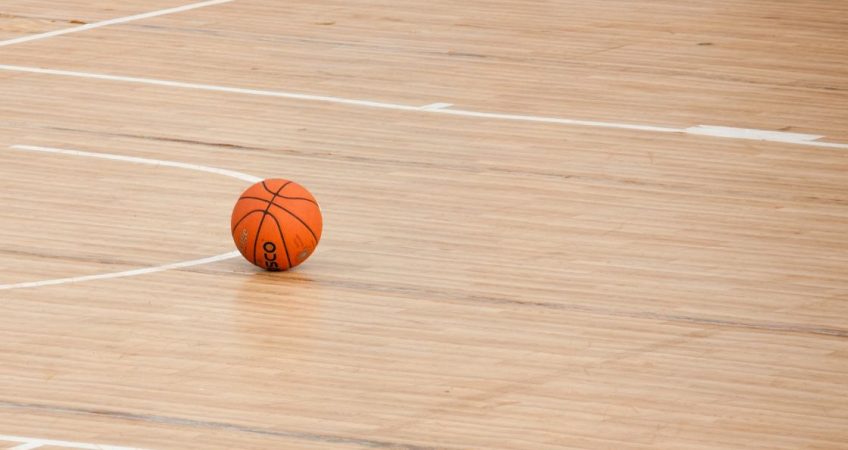
pickleball court flooringStep onto the pickleball court, and you’ll find yourself in a world brimming with energy, strategy, and camaraderie. This dynamic sport, blending elements from tennis, badminton, and ping-pong, has garnered a fervent following worldwide. Whether you’re a novice eager to grasp the fundamentals or a seasoned player seeking to refine your skills, delving into the intricacies of pickleball terminology and techniques is key to unlocking the full potential of your game. Join us on a journey as we decipher the language and strategies that define the captivating realm of pickleball.
The Fundamentals:

Pickleball unfolds on a court resembling a doubles badminton court, with players armed with paddles reminiscent of oversized table tennis bats and a distinctive plastic ball perforated with holes. While doubles play predominates, singles matches are also commonplace.

Court Size and Layout:

Pickleball courts are 20 feet wide and 44 feet long, with a 7-foot non-volley zone (the “kitchen”) on either side of the net. The net is positioned at a height of 36 inches at the sidelines and 34 inches at the center. The court is divided into two equal halves by the net, with a baseline at each end and a centerline extending from the net to the baseline. Additionally, each half of the court is further divided into service courts, measuring 10 feet deep and 15 feet wide.

Serving:

Underhand Serve: The serve initiates with a gentle underhand motion, necessitating contact between the paddle and the ball below the waist.
Service Court: Positioned behind the baseline, the serving team targets their serve to land within the opposing service court diagonally across from them.

Dinking:

Dinking entails delicately tapping the ball over the net, strategically placing it within the opponent’s court. This finesse shot is pivotal for setting up plays and asserting control during rallies.

Volley:

A volley denotes striking the ball before it touches the ground. Mastery of the volley empowers players to maintain pressure on their adversaries and dictate the tempo of play.

Lob:

When confronted with a challenging position near the net, players may opt for a lob—a high, arching shot aimed to propel the ball deep into the opponent’s territory, affording the hitter time to regroup.

Third Shot Drop:

Following the return of serve, the serving team executes the third shot drop, a strategic maneuver involving a softly angled shot that lands in the opponent’s non-volley zone (the “kitchen”), setting the stage for a favorable position.

Non-Volley Zone (The Kitchen):

The kitchen spans the area within seven feet of the net on both sides of the court. Players are prohibited from volleying the ball while positioned inside the kitchen, unless the ball first bounces within this designated zone.

Cross-Court Shot:

A cross-court shot entails directing the ball diagonally across the net, strategically utilized to exploit gaps in the opponent’s defense and create openings for winners.

Erne:

A sophisticated maneuver, the Erne involves swiftly maneuvering to the side of the court and striking the ball mid-air before it crosses the net. This unanticipated shot can catch opponents off guard.

Stack Formation:

In doubles play, teams adopt the stack formation, wherein one player from each team aligns on the same side of the court, optimizing court coverage and fostering effective communication.

Pickleball epitomizes the perfect fusion of strategy, finesse, and camaraderie, captivating players of all ages and skill levels. Armed with a deeper understanding of the terminology and techniques unveiled above, you’re primed to embark on a thrilling pickleball odyssey. So seize your paddle, step onto the court, and immerse yourself in the exhilarating world of pickleball—it’s a journey you won’t soon forget.

Looking for a Home or Commercial Pickleball Court

Dynamic Sports Construction offer premier pickleball court surfacing that offer maximum shock absorption and force reduction to help prevent injuries and maximize performance. Contact us today for a quote on the cost of a pickleball court.

Gym floor resurfacing services - Dynamic Sports Construction 

Gym Floor Replacement: Ensuring Safety and Excellence

Your gym serves as a sanctuary for athletes to realize their full potential. However, over time, wear and neglect can turn your once-inspiring facility into a less-than-ideal space.

The signs might not be immediately obvious, but you’ll notice athletes facing more injuries or slipping on surfaces. What used to be a stage for boosting gameplay and school spirit might now be holding them back from reaching their best.

(more…)

Dynamic Sports Construction gym floor installation

Gym Floors That Fight Back! 

Sudden injuries are an athlete’s worse nightmare! Without proper equipment and flooring, a nightmare can quickly turn real. You need quality products that are safe for your athletes and prevent injuries like stressed ligaments or fractured ankles. Dynamic Sports Construction understands your situation, Coach.

That’s why our team of professionals provides some of the safest flooring products available! Learn how Dynamic Sports Construction’s flooring systems fight back injuries and help your team get to the next level.
(more…)

5 Elite Floors for Your Indoor Basketball Court

Master your three-pointers on Dynamic basketball court flooring

Custom Court Flooring with Logo

Your athletes are going places, and your job is to help them get there! From college scholarships to the NBA, you need the best environment to develop your players’ skills and get them to the next level.

Providing the best training for your team doesn’t stop at layup drills and defense. You need the best equipment and court to practice your man-to-man defense. When it comes to the court everything from the basketball hoop to the floor can affect your game.

(more…)

5 Things to Consider When Installing a New Gym Floor

5 Things to Consider When Installing a New Gym Floor

Installing a brand-new athletic flooring for your facility is a large investment. There is a lot to think about when deciding what products will fit best and be most useful in your space. Safety, design, and the installation process are all factors that carry equal weight when conceptualizing your new area! Make sure you have all your bases covered when it comes to assuring your installation experience is a positive one.

(more…)

Which Flooring System is Right for Your Facility?

Choosing a flooring surface for your facility is a daunting task. There is so much to consider: price, customizations, maintenance, LEED credit eligibility, and the qualities of the flooring material itself. Our team at Dynamic Sports Construction wants to help you find the perfect flooring system for your space. That’s why we offer a large selection of flooring systems to accommodate everything from basketball courts to gymnasiums, multipurpose rooms, and even horse stables! We use high-quality materials with professional installation provided by our team to help ensure that the job is done right. We will help guide you toward the flooring system that is right for your facility, but you can also get a head start by reviewing your favorite options with our handy comparison guide below.

(more…)

Why DynaForce® is the Right Choice for Gym Flooring

Athletic Indoor Gym Flooring

Whether your students need a place to practice or your sports complex hosts tournaments every weekend, Dynamic Sports Construction has your flooring solution. DynaForce® is a resilient athletic flooring option that combines the support of poured flooring with the resilience of sheet systems to deliver high-performance day after day. Customizable and easy to maintain, DynaForce® is the most preferred sports flooring for gyms nationwide.

Synthetic gym flooring has been on the rise for years. It’s time to discover its full potential at your own facility. Whether you’re building a new complex or resurfacing your current flooring, DynaForce® is the solution you’ve been searching for.

(more…)

12 Key Benefits of a Community Indoor Basketball Court

Indoor athletic spaces do more than create a community recreation space

As a public or private residential community, you have a responsibility to create safe facilities for your residents. When it comes time to plan for new flooring or Full pour indoor basketball court for Ravenna youth programsrenovating an existing athletic space, many request the advice of an experienced athletic sports complex builder like Dynamic Sports Construction, Inc. before starting any projects. Our experts will never tell you to undertake a project that is simply unaffordable or overambitious for your community. After all, your goal is to provide a community benefit that will be used and worth your investment.

(more…)

Turning Warehouse Into K-12 Gymnasium & More

Hybrid rubber flooring in school warehouse makes new multi-purpose gym space for students

Sterling Christian School faced a unique challenge: they needed to convert a warehouse space into a functional gym space that could also perform a number of other functions. It had to be a good place for kids from Pre-K through high school. It had to be useable for school performances. It had to be a good environment for a children’s ministry. And it had to tolerate the high use that comes with a school. The list of needs required a floor that could hold up under the pressure.

(more…)